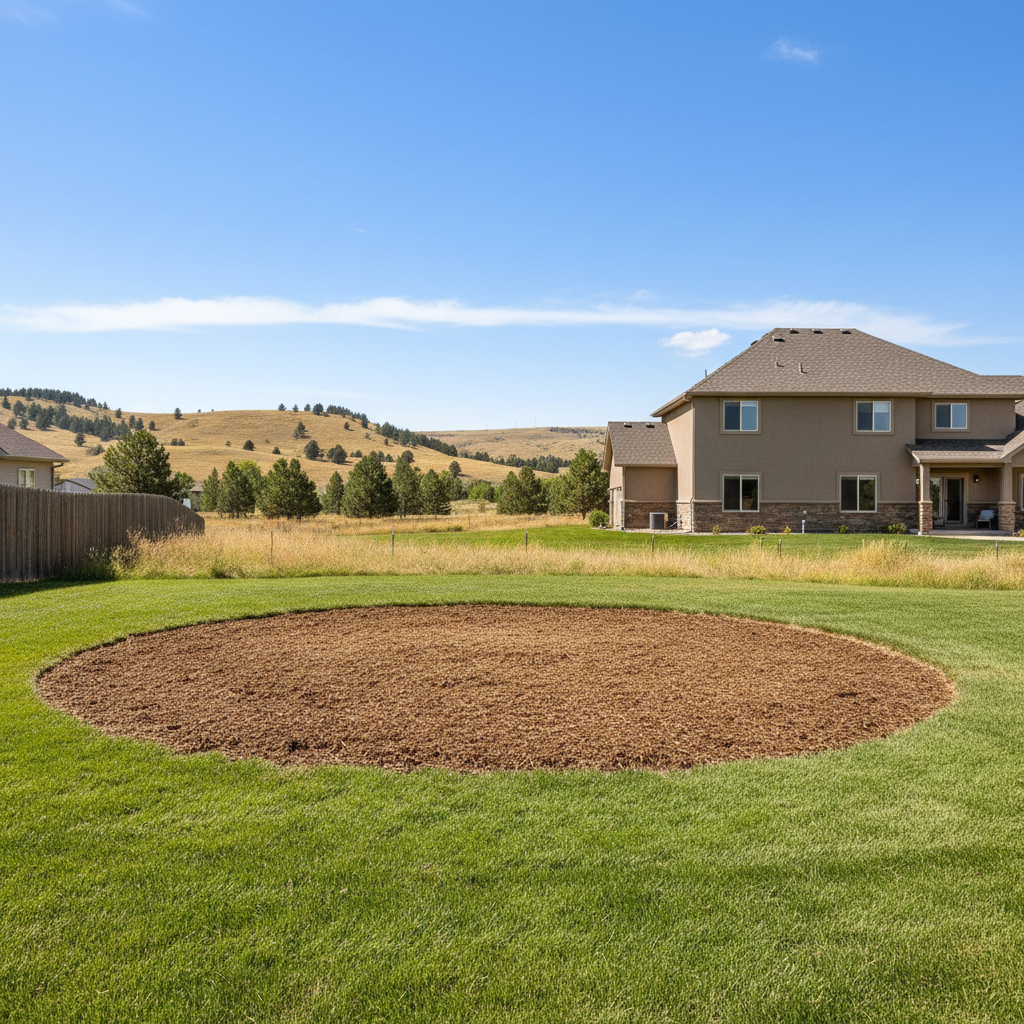
So, you finally got that tree removed. Maybe it was an old cottonwood getting a little too friendly with your roof, or a sick pine that just had to go. Whatever the reason, the big job's done. But here’s the kicker: the work doesn't always stop once the tree is out of sight. You've got a spot in your yard now that needs a bit of love, and if you just ignore it, well, you could be setting yourself up for bigger headaches down the road.
Making Your Tree Removal Site Last
When we talk about making a tree removal site "last," we're really talking about keeping that area healthy, safe, and looking good for years to come. It's not just about getting rid of the tree; it's about what you do with the empty space afterward. If you chose stump grinding, you're left with a pile of wood chips and a hole. Opted for a full stump removal? Then you've got an even bigger hole.
First off, don't just leave that hole or chip pile sitting there. Those wood chips are fantastic for mulch, sure, but you don't want a mountain of them where a tree used to be. Spread them out in your garden beds, or toss them into your compost bin. As for the hole, you really need to fill it in right. Use good quality topsoil, not just any old dirt you scrape up from the side of the house. Tamp it down a bit as you go, but don't go crazy. The goal is to avoid major settling later on. If you're planning to plant grass, make sure the soil is nice and level with the rest of your lawn. If new plants or shrubs are in the cards, mix in some compost to give them a great start.
Another thing to think about, especially here in Billings with our often-dry summers and sometimes stubborn clay soils, is drainage. If that spot turns into a low point where water just sits, you're going to run into trouble. Standing water can attract pests, create muddy messes, and even mess with nearby building foundations if it's too close. Just make sure the area slopes gently away from any structures or important landscaping features.
Keeping the Site Maintained
Once you've filled the hole and handled the immediate cleanup, regular maintenance is pretty simple, honestly. It's mostly about watching things and fixing small issues before they become big ones.
- Check for settling: Over the first few months, especially after a good rain or snowmelt, that filled-in area might sink a bit. Keep an eye on it. If it dips, just add more topsoil and level it out again. You might have to do this a couple of times.
- Weed control: New soil is practically an open invitation for weeds to pop up. Stay on top of them. Pull them by hand, or use a specific weed killer if you're not planting anything there right away.
- Watering: If you've put in new grass or shrubs, make sure they get enough water, especially during our hot Montana summers. Even if you haven't planted anything, a little moisture can actually help the soil settle naturally.
- Look for regrowth: If the stump wasn't completely removed or treated, you might see little sprouts coming up from the roots. This happens a lot with certain tree types. Cut them back as soon as you spot them. You'll need to be persistent here.
Signs That Something's Wrong
Okay, so you've done the initial work, you're keeping an eye on things, but what are the big red flags that tell you something isn't quite right?
- Too much settling or erosion: If the ground keeps sinking a lot, or if heavy rains are washing away your nice new soil, you've got a problem. This could mean it wasn't packed down enough, or maybe there's an underlying issue like a broken pipe or a bigger empty space underground.
- Stubborn stump regrowth: A few sprouts here and there are normal, but if you're constantly fighting off a dense thicket of new growth from the old stump, it means the stump wasn't properly killed or removed.
- Pest problems: Decaying wood from an old stump, even if it's ground down, can draw in pests like carpenter ants, termites, or certain beetles. If you see signs of these critters around the old tree spot, you should definitely investigate.
- Fungal growth: Mushrooms or other fungi popping up can be a clue that there's still a lot of decaying wood underground. While some fungi are harmless, others can point to extensive rot that might attract pests or even harm nearby plants.
- Strange smells: A persistent, foul odor could mean something is decaying improperly, or even a gas leak if the tree was near underground utility lines.
When to Call the Experts
Most of the time, you can handle the post-removal care yourself. But there are definitely moments when it’s smart to bring in the pros, like us at Billings Stump Removal & Tree Service.
- If you're seeing a lot of unexplained settling: This isn't just a "throw another bag of soil on it" situation. It could be a bigger problem that needs a professional look.
- Stubborn stump regrowth: If you've tried cutting back sprouts repeatedly and they just keep coming back strong, you might need a more aggressive stump treatment or a deeper grind.
- Signs of a serious pest problem: If you suspect termites or carpenter ants, you'll want a pest control expert to handle that. They can cause real damage to your home if left unchecked, right?
- If you're planning a major landscaping project: If you're putting in a patio, a new foundation, or a large garden bed where the tree used to be, it's worth having us come out. We can make sure the area is completely clear of roots and debris that could mess with your plans. We'll get it prepped correctly.
- You're just not sure: If you spot something odd, or you're worried about how solid the ground is, don't hesitate to give us a call. It’s always better to be safe than sorry, especially when it comes to your yard and home.
Taking a little extra time and care after a tree removal can save you a lot of headaches and money later on. It’s all part of keeping your Billings property looking its best.