You want your trees to thrive, right? Of course you do. But here in Billings, our climate isn't exactly 'set it and forget it' when it comes to tree care. We get all four seasons, sometimes in one week, and that means you've got to think seasonally about what your trees need to stay healthy and strong.
Winter: The Dormant Season's Opportunities
When those cold snaps hit and the snow starts piling up, most folks think tree work stops. Not true. Winter, when trees are dormant, is actually a fantastic time for a lot of services. Without leaves, it's easier to see the tree's structure, spot dead or weak branches, and plan for proper pruning. Plus, the ground is often frozen solid, which means less impact on your lawn when we're bringing in equipment for bigger jobs like removals or extensive trimming. We're not tracking mud everywhere, and the heavy machinery doesn't compact your soil as much. Just be careful about heavy snow and ice accumulation – that's when branches are most vulnerable to breaking, especially on older cottonwoods or elms that might already have some rot. If you see significant ice buildup, it's best to leave the tree alone until it melts naturally, unless there's an immediate hazard.
Spring: Waking Up and Getting Ready
As soon as the snow melts and the ground thaws, your trees start waking up. This is a critical time for feeding and preparing them for the growing season. A good deep watering, especially if we had a dry winter, can make a huge difference. You'll also want to keep an eye out for any winter damage – branches that didn't make it through the cold, or areas where pests might have started nesting. Early spring is also a good time for some types of pruning, particularly if you missed it in winter, but you want to get it done before the trees put out too much new growth. For fruit trees, this timing is especially important for a good harvest later on. We often see folks wanting to get their yards cleaned up as soon as possible, and that includes checking on their trees. Remember, our springs can be pretty unpredictable; one day it's 60 degrees, the next it's snowing again. We watch the forecasts closely to make sure we're working safely and effectively.
Summer: Growth, Pests, and Hydration
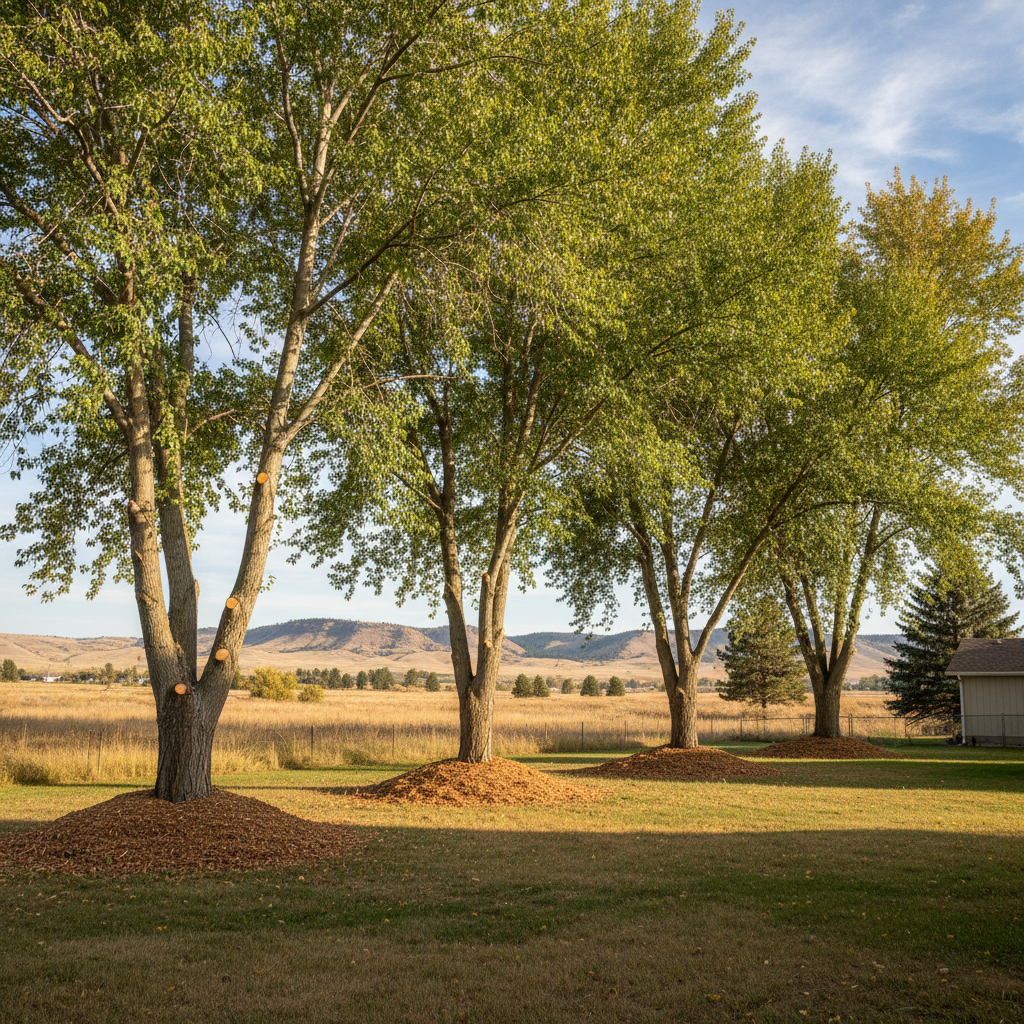
Summer in Billings means heat, and sometimes, not enough rain. This is when hydration becomes key. Young trees, especially, need consistent watering. You can't just rely on a quick sprinkle; they need deep, slow watering that gets down to the roots. Mulching around the base of your trees can help retain moisture and keep the soil temperature more consistent. This is also the season when pests and diseases become more active. Keep an eye out for unusual leaf discoloration, wilting, or any signs of insect activity. If you catch it early, it's often easier to treat. We get a lot of calls about aphids and spider mites this time of year. While we don't do pest control, we can often tell you if it's something to worry about or just a minor nuisance. If you're planning any major trimming or removal, summer isn't always ideal because the trees are actively growing and it can be more stressful for them. However, if you have a hazardous branch or a tree that's clearly sick, don't wait.
Fall: Preparing for the Long Haul
Fall is like the second winter for tree care – another excellent window for certain tasks. As the leaves start to turn and drop, trees are preparing for dormancy. This is a prime time for pruning, especially for removing dead, diseased, or crossing branches. Getting this done in the fall means the tree has less stress going into winter, and it can focus its energy on healing those pruning cuts. It's also a good time to fertilize, giving your trees a nutrient boost that they can store for the spring. And don't forget about watering! Even though it's cooler, a good deep watering before the ground freezes solid can prevent winter desiccation, especially for evergreens. We often get those strong Chinook winds here, and if a tree goes into winter dry, those winds can really dry out the needles and leaves. Protecting young trees from sunscald with tree wraps is also a smart move before the deep cold sets in. When you're thinking about stump grinding or tree removal, fall is another solid option because the ground is usually still soft enough to work with, but the growing season is over.
Protecting Your Investment Year-Round
Your trees are an investment, adding value and beauty to your property, whether you're in the Heights or down by the Yellowstone. Regular, seasonal care is how you protect that investment. It's not just about aesthetics; it's about safety and the long-term health of your landscape. If you're ever unsure about what your trees need, or if you've got a tricky situation, that's what Billings Stump Removal & Tree Service is here for. We've seen it all, from the toughest winters to the driest summers, and we know what it takes to keep your trees happy and healthy right here in our neck of the woods.