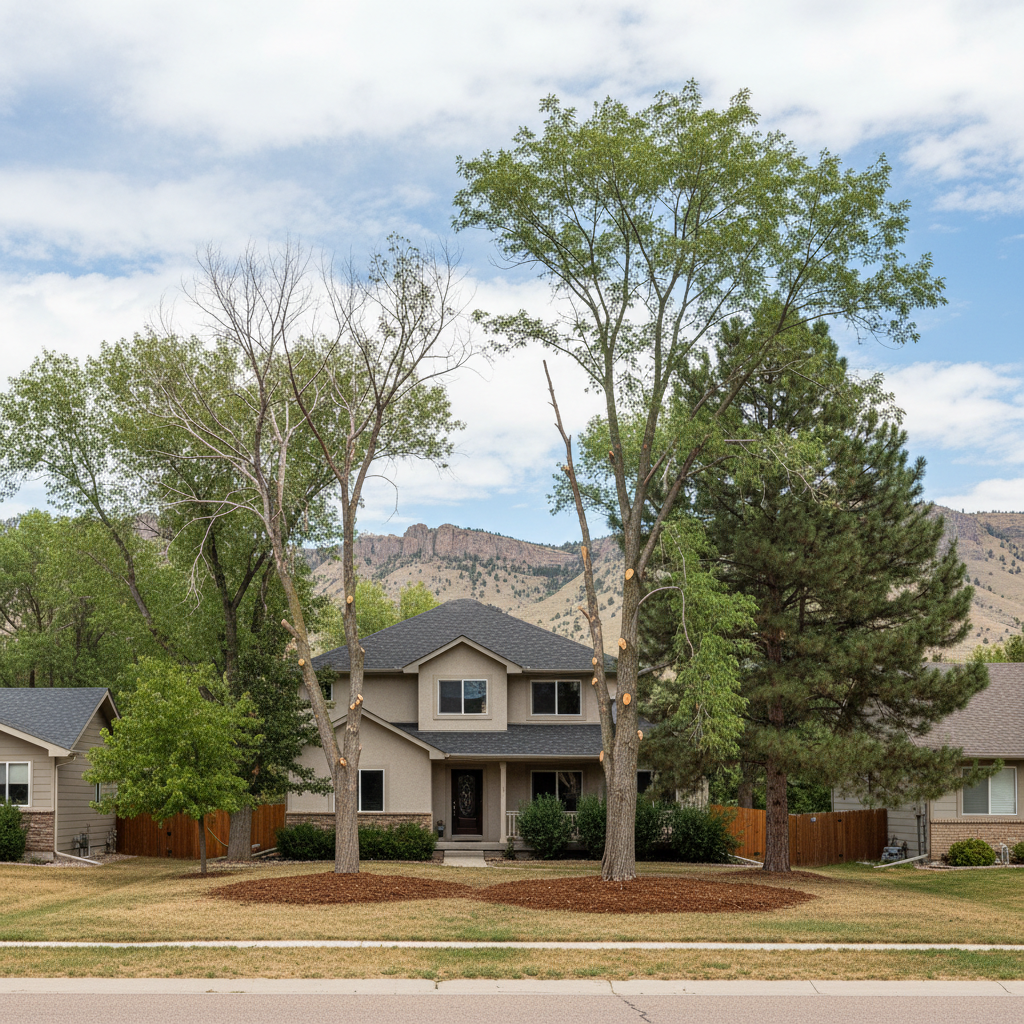
Ever walk past a tree in your yard, or even just down the street, and get this weird feeling about it? Like something's off, but you can't quite put your finger on what? That gut instinct? It’s often the best warning you’ll get that something’s wrong with your trees, and it’s definitely worth paying attention to.
Here in Billings, our trees really have it rough. Between those brutal winters, scorching dry summers, and our often-rocky, clay-heavy soil, they really earn their keep. Knowing what to look for can save you a ton of heartache and money later on. It’s not just about keeping your yard looking good, you know; it’s about safety and protecting your investment.
What to Look For: The Obvious & The Sneaky
You don't need to be a tree expert to spot the really big problems. But some issues? They're a bit more subtle. I’ve honestly seen it all, from clearly dead branches to those slow, creeping diseases that take years to really show themselves. Here’s a quick rundown of what I always tell folks to watch out for:
- Dead or Dying Branches: This one's probably the easiest to spot. If a branch should have leaves but doesn't, or if the leaves are brown and brittle, it's probably dead. Small dead twigs aren't usually a huge deal, but larger dead limbs? Those are a real hazard. They can fall without any warning, especially when we get those high winds or a heavy snow.
- Fungus or Mushrooms: Any kind of growth on the trunk or right at the base of the tree is a big red flag. Mushrooms, conks, or shelf fungi usually mean there's rot happening inside the tree. By the time you actually see them on the outside, the decay can be pretty far along.
- Cracks or Splits: Keep an eye out for vertical cracks in the trunk or any of the major limbs. Stress, disease, or even lightning strikes can cause these. If you spot a crack, especially one that’s wide or deep, that tree's structural strength is definitely compromised.
- Leaning: If a tree suddenly starts leaning more than it used to, or if it’s leaning significantly right from the base, that’s a serious worry. This could point to root damage, unstable soil (especially after heavy rains or if it's on a slope), or a weak trunk. I’ve seen trees in the Heights suddenly shift after a big storm, and that’s the kind of call you want to make quickly.
- Pest Infestations: Tiny holes in the bark, sawdust-like material around the base, or leaves that look unusually discolored can all signal pests. We deal with everything from aphids to borers around here. Some pests are just annoying, but others, like the Emerald Ash Borer—which is a growing concern in our region—can be absolutely devastating.
- Discolored or Sparse Leaves: Leaves that are yellowing, browning, or dropping too early, or a tree canopy that just looks thin and sparse, are all signs of stress. This could be from drought, a lack of nutrients, disease, or problems with the roots.
- Root Problems: You might not actually see the roots, but sometimes you'll notice their effects. Roots growing too close to the surface can damage foundations or sidewalks. Also, if the soil around the base of the tree looks disturbed or like it's heaving up, that's another sign of root issues.
Why Local Expertise Matters
You can read every general tree care guide out there, but they won't tell you a thing about the specific challenges we face right here in Billings. I'm talking about our particular soil types – that heavy clay that doesn't drain well in some spots, or the rocky ground that makes it tough for roots to grow. I'm talking about our specific weather patterns, like those chinook winds that can snap limbs clean off, or the sudden temperature drops that really stress out certain species.
We know which trees do well in Billings and which ones struggle. We also know the common diseases and pests that are prevalent in our area. When you call Billings Stump Removal & Tree Service, you're not just getting someone who knows how to cut down a tree. No, you're getting someone who truly understands the local environment and how it impacts your trees' health. We can often figure out issues faster because, let's be honest, we've seen them a hundred times in yards just like yours.
Don't wait until a problem turns into a full-blown crisis. A little proactive observation can really go a long way. If you spot any of these warning signs, or if you just have a gut feeling something isn't right, give us a call. It’s always better to catch these things early, for the health of your trees and the safety of your property, don't you think?