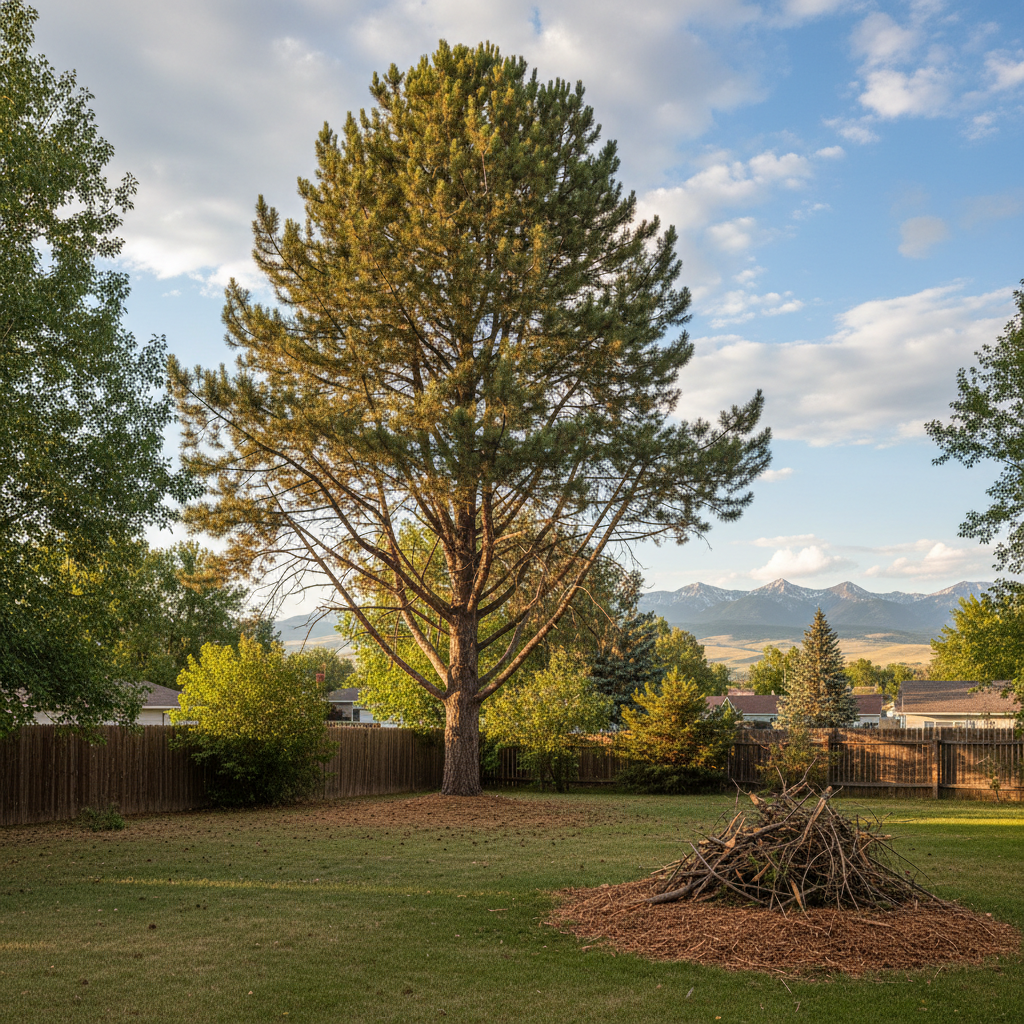
You just had your trees trimmed, or maybe you're thinking about it. Great! Getting a professional trim is a solid investment in your property's beauty and safety. But here's the thing: it's not a one-and-done deal. Trees are living things, and they keep growing. If you want to make that trimming work last and keep your trees in top shape, there's a bit of ongoing care involved. It's not rocket science, but knowing what to look for can save you a lot of headaches and money down the road.
Extending the Life of Your Tree Trimming Investment
When we trim a tree, we're not just making it look pretty; we're often removing dead, diseased, or crossing branches to improve its structure and health. To get the most out of that work, you've got to think about what happens next. The biggest thing is to understand that good trimming sets your tree up for future success. We're creating a strong framework. What you do after that helps maintain that framework.
First off, keep an eye on new growth. Sometimes, after a big trim, a tree might send out a bunch of new shoots, especially if it was stressed. These are often called 'water sprouts' or 'suckers.' They're usually weak and can mess up the tree's shape or even lead to future problems. You can often snip these off yourself when they're small. Just make sure you're not cutting into the main trunk or a healthy branch.
Also, don't forget about watering, especially during our dry Billings summers. A well-hydrated tree is a resilient tree. Stress from lack of water can make a tree more susceptible to pests and diseases, which can quickly undo all the good work of a professional trim. A deep watering once a week during dry spells is way better than a daily sprinkle.
Regular Tree Maintenance: What to Look For
Regular maintenance isn't about getting out the chainsaw every year. It's more about observation. Walk around your property once a month, especially after a storm, and just look at your trees. Here's what I tell folks to keep an eye out for:
- Dead or dying branches: These are usually easy to spot. They won't have leaves when the rest of the tree does, or the leaves will be brown and brittle. They're a hazard and a pathway for disease.
- Crossing or rubbing branches: When branches rub against each other, they create wounds. These wounds are open invitations for insects and fungi. Plus, they can weaken both branches over time.
- Branches growing towards your house or power lines: This is a big one for safety. Our winds here in Billings can be brutal, and a branch too close to your roof or electrical lines is just asking for trouble.
- Signs of disease or pests: Look for discolored leaves, strange growths (like cankers or fungus), holes in the bark, or excessive sap oozing. Sometimes you'll see sawdust at the base of the tree, which can indicate borers.
- Weak crotches or V-shaped unions: Where two branches meet, you want a strong U-shape. V-shapes are inherently weaker and more prone to splitting, especially in high winds or under heavy snow loads, which we get plenty of in Montana.
Warning Signs That Something's Wrong
Beyond the regular checks, there are some red flags that scream,