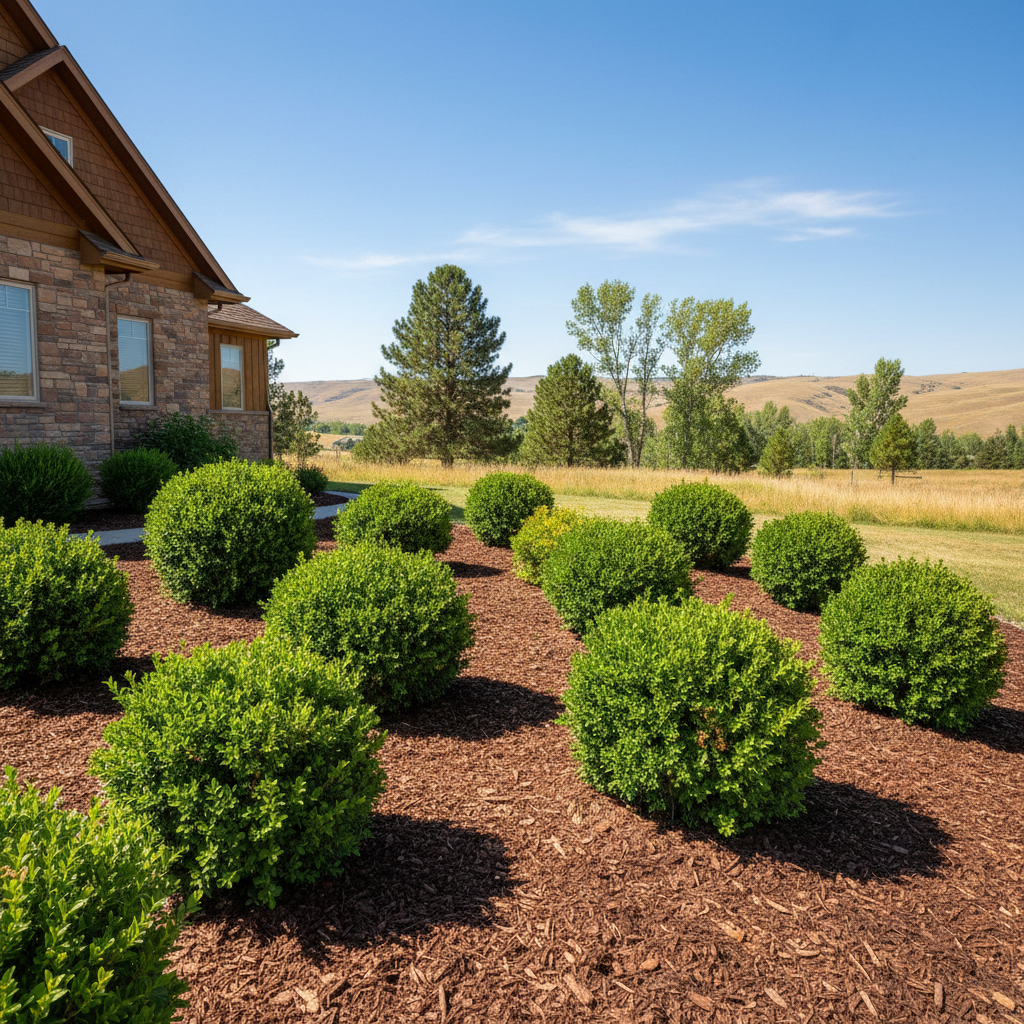
You just had your shrubs and bushes trimmed, and they look fantastic, right? That clean, sculpted look really makes a difference for your home's curb appeal. But that fresh-cut appearance won't last forever without a little help from you. I've seen plenty of yards around Billings where folks let their shrubs go wild between professional trims, and it's a shame because a little regular attention can keep them looking sharp and healthy for much longer.
Extending the Life of Your Trimming Work
Think of professional trimming as a reset button for your shrubs. To keep that good work going, you've got to do a few things. First off, don't let them get too overgrown again. Regular, light shaping is key. We're talking about snipping off those rogue branches that pop out and spoil the shape. It's like getting a haircut; you don't wait until it's a shaggy mess before you get a trim, do you?
Watering properly is also huge, especially here in Billings with our dry summers. Stressed plants are more susceptible to disease and pests, and they just don't hold their shape as well. Make sure your shrubs are getting enough water, but don't drown them. A good, deep soak a couple of times a week is better than a light sprinkle every day. And if you've got new plantings, they'll need even more attention to get established.
Mulch is your friend. A good layer of mulch around the base of your shrubs helps retain moisture, keeps weeds down, and moderates soil temperature. That's a big deal when we get those freezing winter nights and scorching summer days. It protects the roots, which means a healthier plant overall.
What Regular Maintenance Looks Like
Regular maintenance for your shrubs and bushes isn't a huge chore, but it is consistent. Here's what I usually tell folks:
- Light Pruning: Every few weeks, take a walk around your yard with a pair of hand pruners. Snip off any branches that are growing out of bounds, crossing over others, or look dead/diseased. This is called 'deadheading' for flowering shrubs and just general shaping for others. It encourages new growth and keeps the plant dense and full.
- Weed Control: Weeds compete for water and nutrients. Keep them pulled or use a pre-emergent herbicide if you're comfortable with that. A clean bed around your shrubs looks better and keeps your plants healthier.
- Pest & Disease Checks: While you're out there, take a close look at the leaves and stems. Are there any unusual spots, holes, or discoloration? Are there any bugs crawling around? Catching these issues early can save your plants.
- Fertilization (Sometimes): Most established shrubs in good soil don't need a ton of fertilizer. If your plants look a bit yellow or aren't growing well, a slow-release granular fertilizer in spring can give them a boost. Just don't overdo it; too much can burn the roots.
For flowering shrubs, knowing when they bloom is important. You generally prune spring-flowering shrubs right after they finish blooming, and summer-flowering shrubs in late winter or early spring before new growth starts. This ensures you're not cutting off the flower buds for the current season.
Warning Signs of Problems
Your shrubs will often tell you when something's wrong, you just need to know what to look for. Keep an eye out for these red flags:
- Yellowing or Browning Leaves: This could mean anything from overwatering or underwatering to nutrient deficiencies or disease. Check the soil moisture first.
- Spots, Holes, or Chewed Leaves: Definitely a sign of pests or fungal issues. Turn leaves over to check for insects.
- Wilting or Drooping: Often a sign of lack of water, but can also indicate root rot if the soil is constantly wet.
- Stunted Growth: If your shrub isn't growing as it should, or new growth looks weak, it might be stressed or lacking nutrients.
- Unusual Growths or Cankers: Bumps, oozing spots, or sunken areas on stems can indicate serious diseases.
- Branches Dying Back: If whole sections of the plant are turning brown and dying, it's a serious problem that needs quick attention.
Our clay soils here in Billings can sometimes make drainage a challenge, so if you notice wilting or yellowing, always check the soil moisture deep down before you add more water. Too much water can be just as bad as too little.
When to Call a Professional
Look, I'm a big believer in DIY for small stuff, but there are times when you really should call in the pros. Here's when:
- Major Overgrowth: If your shrubs have turned into monsters and you can't see out your windows, or they're blocking pathways, you'll need more than hand pruners. We have the right tools and know how to safely bring them back to a manageable size without butchering them.
- Disease or Pest Infestation: If you've got a serious problem that's spreading or you can't identify, a professional can diagnose it and recommend the right treatment. Sometimes, it's better to remove an infected plant to save others.
- Renovation Pruning: If a shrub is really old, leggy, or poorly shaped, it might need a hard prune to rejuvenate it. This is a specialized skill and can kill the plant if done incorrectly.
- Safety Concerns: If shrubs are growing into power lines, blocking sight lines at intersections, or are so big they're unstable, it's a safety issue. Don't mess with power lines yourself, ever.
- You Just Don't Have the Time or Tools: Let's be honest, life gets busy. If you'd rather spend your weekend fishing the Yellowstone or hiking the Rimrocks than wrestling with overgrown bushes, that's what we're here for.
At Billings Stump Removal & Tree Service, we've got the experience to handle all kinds of shrub and bush trimming, from delicate shaping to major cutbacks. We know the local plants and what they need to thrive in our Montana climate. Don't hesitate to reach out if you're unsure or just need a hand keeping your landscape looking its best.