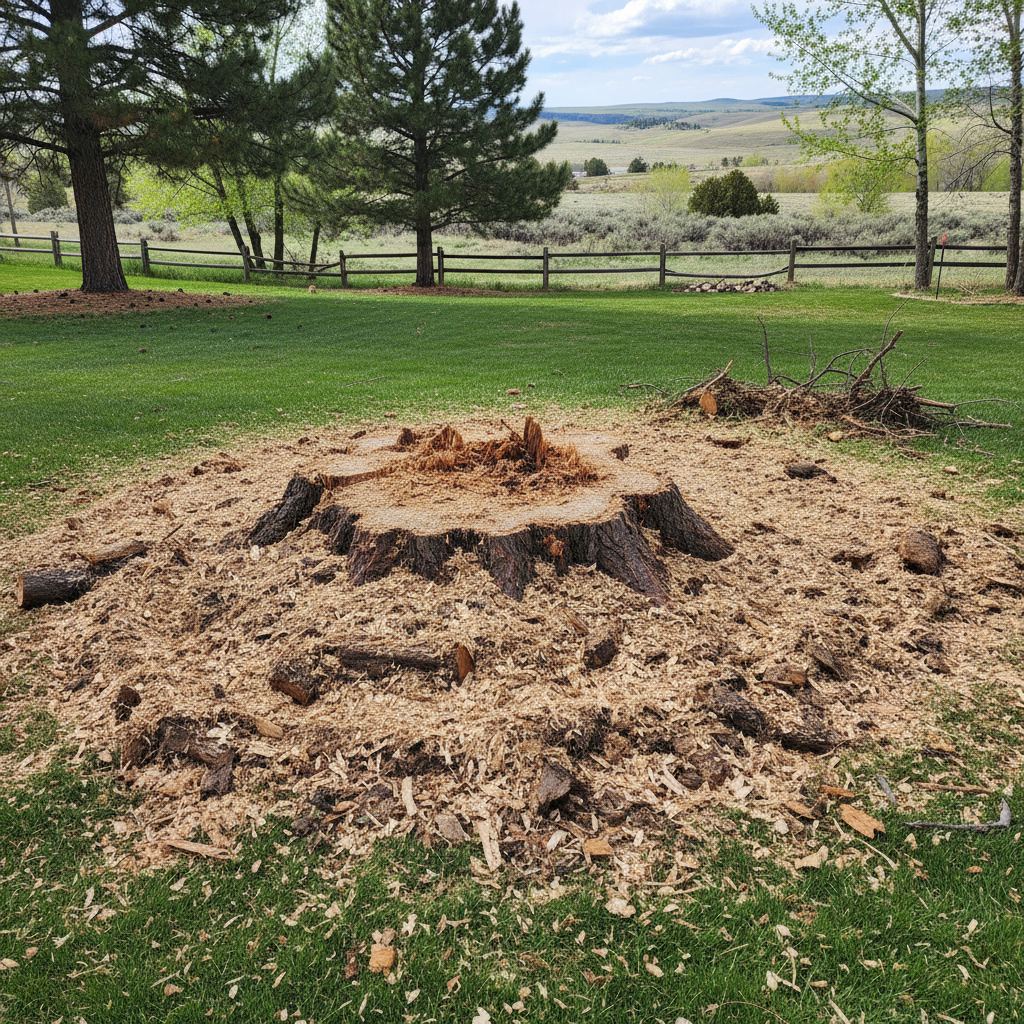
So, you've got a stump. Maybe it's an old Ponderosa pine that finally came down, or a cottonwood that just wouldn't quit. Whatever the reason, that ugly, tripping-hazard of a stump is just sitting there, and you want it gone. I get it. It's an eyesore, it can attract pests, and frankly, it just gets in the way of a nice, clean yard.
Before You Start: The Prep Work
Before you even think about grinding or digging, there are a few things you absolutely have to do. First off, you need to know what's underground. Call 811, the Dig Line, a few days before you plan to do anything. It's free, it's the law, and honestly, it could save your life or prevent a massive headache. They'll mark out gas lines, water pipes, electrical conduits – all the stuff you really don't want to hit with a grinder or a shovel. Don't skip this step. Seriously.
Next, clear the area around the stump. We're talking about rocks, loose dirt, garden hoses, kids' toys, anything that could get flung by a grinder or just get in your way. You want a clear workspace, about 10-15 feet around the stump, depending on its size. This isn't just for safety; it makes the job a whole lot easier, too.
Think about what kind of tree it was. A big old elm or a sturdy oak will have a much more extensive root system than, say, a smaller ornamental tree. This definitely impacts how much work you're looking at.
DIY vs. Calling a Pro: When to Grind, When to Call
This is where a lot of homeowners get stuck. Can you do it yourself? Maybe. Should you? That's a different question entirely.
DIY Stump Grinding (or Removal)
If you've got a small stump, say 10-12 inches in diameter, and you're feeling ambitious, you might consider renting a stump grinder. They're available at equipment rental places here in Billings. You'll pay for the rental, transport, and fuel. Be ready for some serious work, though. These machines are powerful, heavy, and can be dangerous if you don't know what you're doing. Wear all the safety gear: eye protection, hearing protection, heavy gloves, and steel-toed boots. Read the manual, watch some videos, and take it slow.
For really small stumps, or if you're just looking to get rid of the visible part, you could try chemical removers. They work by accelerating the decomposition process. You drill holes in the stump, pour in the chemicals, and then you wait. It can take months, sometimes even a year, for the stump to become soft enough to break apart. It's not a quick fix, and it won't remove the entire root ball, just so you know.
Manual removal, where you dig it out, is usually only feasible for very small, shallow-rooted stumps, or if you've got a lot of time and a strong back. You're talking about a lot of digging, chopping roots with an axe or mattock, and then figuring out how to dispose of a heavy, dirty root ball. For anything bigger than a shrub, it's usually not worth the effort.
When to Call Billings Stump Removal & Tree Service
Here's my honest advice: for most stumps, especially anything over 12-15 inches in diameter, or if it's close to a foundation, driveway, or underground utilities, you're better off calling a professional. Here's why:
- Safety: Stump grinders are serious machines. They kick up debris, they can bind, and they require a lot of strength and experience to operate safely. We've got the training and the right gear.
- Efficiency: We have commercial-grade grinders that can chew through a stump in a fraction of the time it would take a rental unit. We're in and out, leaving you with a clean area.
- Thoroughness: Our grinders can go deeper, ensuring more of the main root ball is removed. This prevents regrowth and makes it easier to plant something new or lay sod later.
- Disposal: You'll be left with a pile of wood chips. We can either leave them for your landscaping or haul them away, saving you the hassle of dealing with them yourself.
- Expertise: We know about the different tree species common in Billings, like those tough Siberian elms, and how their root systems behave. We've dealt with stumps in all sorts of tricky spots, from tight backyard corners to sloped yards in the Heights.
It's not just about grinding the visible part. A pro can assess the situation, identify potential issues, and make sure the job gets done right the first time, without damaging your property or, more importantly, yourself.
After the Stump is Gone: What's Next?
Once the stump is ground down, you'll be left with a hole filled with wood chips and some dirt. You've got a few options here:
- Fill and Plant: If you want to plant grass, you'll need to remove most of the wood chips. They'll decompose slowly and can deplete nitrogen from the soil, making it tough for new grass to grow. Fill the hole with good quality topsoil, level it out, and then you can seed or lay sod.
- Plant a New Tree or Shrub: If you're putting in a new plant, you'll need to dig out even more of those chips and replace them with fresh soil. Make sure there's enough space for the new root ball to establish itself without hitting old, decomposing wood.
- Use as Mulch: The wood chips are great for mulching around existing trees or in garden beds. They help retain moisture and suppress weeds. Just don't bury new grass seed in them, okay?
Whatever you decide, make sure the area is level and well-drained. You don't want a dip in your yard that collects water, especially with our spring thaws and summer rains here in Montana.
Getting rid of a stump really transforms your yard. It opens up space, improves how things look, and eliminates a hazard. Whether you tackle it yourself or call in the pros, a little planning goes a long way to making sure the job gets done right.