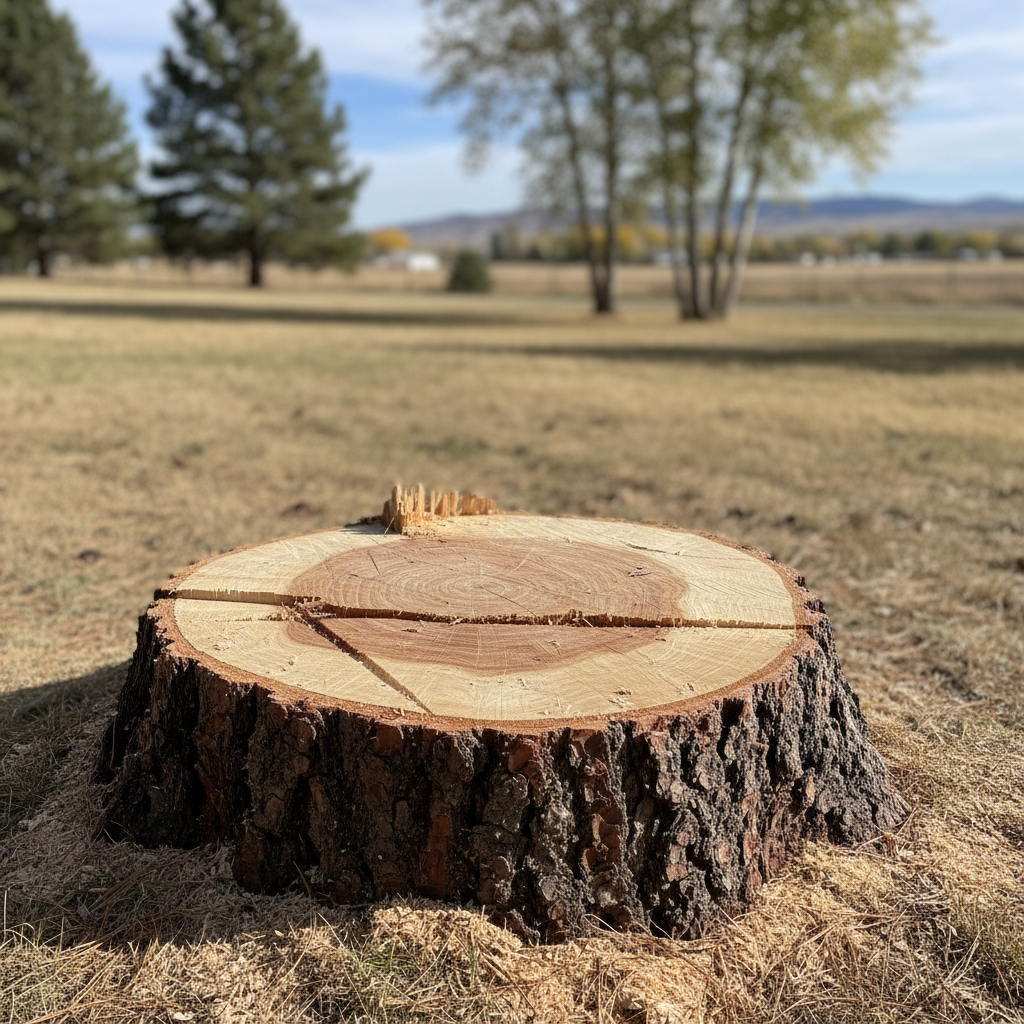
Thinking About Taking Down a Tree?
You've got a tree on your property that needs to go. Maybe it's dead, diseased, or just too close to the house. Whatever the reason, tree removal isn't a job you want to mess up. I've seen my share of botched DIY jobs around Billings, and trust me, the cost of fixing damage far outweighs calling in a professional from the start. So, let's break down what you need to consider before, during, and after a tree removal project.
Before You Even Touch a Branch
First things first: safety and planning. This isn't just about grabbing a chainsaw and going at it. You need to assess the situation thoroughly.
- Is it even your tree? Seriously, know your property lines. You don't want to accidentally cut down your neighbor's prize-winning spruce.
- What's around the tree? Look up, look down, look all around. Are there power lines nearby? Your house? Your neighbor's fence? A shed? A favorite flower bed? Think about where that tree or its branches are going to fall.
- How big is the tree? This is probably the biggest factor in deciding if it's a DIY job or not. A small sapling you can cut with hand pruners? Probably fine. Anything taller than you can reach comfortably with a pole saw? You're entering 'professional' territory.
- What's the tree's condition? Is it healthy and solid, or is it rotting from the inside out? A decaying tree can be unpredictable; branches might snap off unexpectedly, or the whole trunk could split in a way you don't anticipate.
- Do you need a permit? For most residential properties in Billings, you probably won't need a permit for removing a tree on your own land, unless it's a protected species or part of a city-managed area. But it never hurts to check with the city's planning department if you're unsure, especially if you're dealing with a really large tree or one close to public property.
If you're looking at a tree that's leaning, diseased, or overhanging your house, don't try to be a hero. That's a job for someone with the right equipment and experience.
DIY Tree Removal: When It's Okay
Okay, so you've assessed everything, and you've got a small, healthy tree that's not near any structures or power lines. Maybe it's a young cottonwood that just got too big for its spot in the yard, or a small ornamental tree that didn't make it through a harsh Billings winter. Here's what you'll need:
- Safety Gear: Eye protection, hearing protection, gloves, sturdy boots, and a hard hat are non-negotiable.
- The Right Tools: A sharp chainsaw (if needed), wedges, felling levers, and ropes can be useful. Make sure you know how to use them safely.
- A Clear Plan: Know exactly which way you want the tree to fall. Make your notch cut first, then your felling cut. Never cut straight through.
- A Spotter: Have someone else with you, keeping an eye out for hazards and ready to help if something goes wrong.
Even for small trees, things can go sideways fast. If you feel even a tiny bit uncomfortable, stop. It's not worth the risk.
When to Call a Pro (Which is Most of the Time)
Let's be honest, for most trees that homeowners want removed, calling a professional is the smartest move. Here's why:
- Safety: We have the training, the gear, and the experience to safely bring down trees, even in tight spots or near power lines. We know how to manage the fall, handle heavy branches, and work around obstacles.
- Equipment: We've got specialized equipment like bucket trucks, cranes, chippers, and stump grinders that most homeowners don't have (and shouldn't try to operate without proper training).
- Insurance: This is huge. If something goes wrong and your house gets damaged, or worse, someone gets hurt, a reputable company like Billings Stump Removal & Tree Service is insured. If you do it yourself and mess up, that's all on you.
- Stump Removal: After the tree is down, you're left with a stump. We can grind that down for you, leaving your yard clear and ready for new landscaping. Trying to dig out a large stump in our rocky Billings soil is a back-breaking, often impossible task.
- Cleanup: We don't just cut it down and leave a mess. We haul away all the debris, leaving your property cleaner than we found it.
If your tree is large, diseased, close to structures, or near power lines, don't hesitate. Get a few quotes, make sure the company is licensed and insured, and let the experts handle it.
After the Tree is Down
Once the tree is removed, whether by you or a pro, you'll have some decisions to make.
- Stump: Do you want the stump removed? Grinding is the most common method. If you leave it, it can become a tripping hazard, attract pests, or simply be an eyesore.
- Cleanup: If you did it yourself, you'll have branches and wood to deal with. You can chip smaller branches for mulch, cut larger pieces for firewood, or arrange for a hauler.
- Replacement: Are you planning to plant a new tree? Consider what kind of tree will thrive in our Montana climate and soil, and how big it will get.
Tree removal can seem daunting, but with the right approach and knowing when to call in the cavalry, you can get it done safely and efficiently. Just remember, your safety and the safety of your property come first.